



For American shoppers, buying online has never been easier—until you hit the border.

Thousands of Canadian retailers offer products you can’t find in the U.S., better pricing, exclusive brands, or inventory that’s simply sold out south of the border. Yet many U.S. shoppers stop short at checkout when they see high international shipping costs, limited delivery options, or retailers that won’t ship outside Canada.

That’s where ShipByMail comes in.

Think of shopping in Canada like shopping from the 51st state. You shop. We handle the cross-border part.

Your Free Canadian Shipping Address

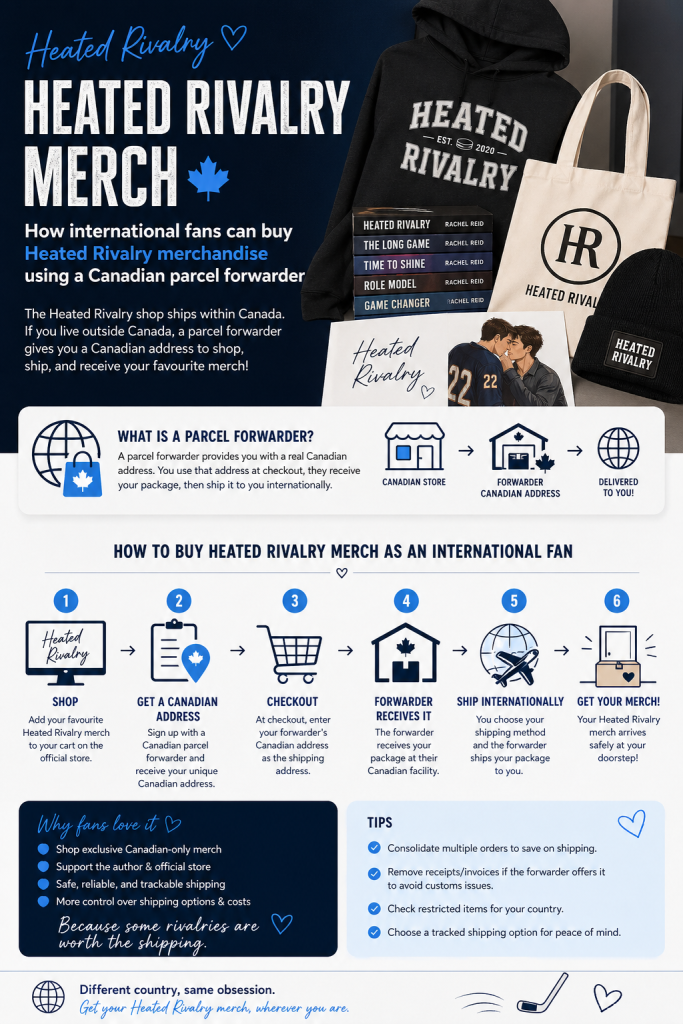
When you sign up with ShipByMail, you receive a free Canadian address located at our secure Vancouver warehouse. You can use this address at checkout with any Canadian retailer that ships domestically within Canada—often at lower cost and faster speeds than international shipping.

Once your purchase arrives, we notify you, inspect the parcel, take photos, and prepare it for forwarding to your U.S. address.

We Remove the Friction from Cross-Border Shopping

International shipping doesn’t have to be complicated. Our platform is designed specifically for U.S. customers who want a simple, transparent way to buy from Canada.

With ShipByMail, you can:
• Shop from virtually any Canadian retailer
• Consolidate multiple packages into one shipment
• Choose from affordable shipping options to the U.S.
• Avoid surprises with clear pricing before you ship

We work hard to make the process feel as close to domestic shipping as possible—because from your perspective, it should be.

When Canadian Stores Don’t Accept U.S. Cards

Some Canadian merchants don’t accept U.S.-issued credit cards. In those cases, our BuyForMe service lets us place the order on your behalf. Simply send us the product link, and we’ll take care of the purchase and delivery to your Canadian address.

Canada Is Closer Than You Think

Culturally, economically, and geographically, Canada is already America’s closest neighbor. ShipByMail simply makes shopping across that border easier, faster, and more affordable.

So go ahead—shop Canada like it’s the 51st state.
We’ll handle the cross-border part.

Introduction

Many international shoppers are surprised to learn that some retailers and couriers simply do not ship to the United States. Restrictions, compliance issues, and rising cross-border costs often block direct delivery. This guide explains how to ship to the U.S. when other countries can’t, and how ShipByMail enables reliable access to U.S. delivery even when merchants refuse to ship internationally.


Why Some Countries Can’t Ship to the U.S.

Several factors prevent direct shipping to the United States:

  • Regulatory compliance: FDA, customs, and import regulations make food, supplements, cosmetics, and electronics difficult to ship.
  • Courier limitations: Some postal systems and private couriers suspend U.S.-bound services due to cost or risk.
  • Retailer restrictions: Many stores only ship domestically or to limited regions.
  • Customs complexity: Duties, taxes, and documentation requirements deter sellers from offering U.S. shipping.

As a result, shoppers are blocked at checkout—even when items are legal to import.


How Package Forwarding Solves the Problem

Package forwarding creates a legal workaround:

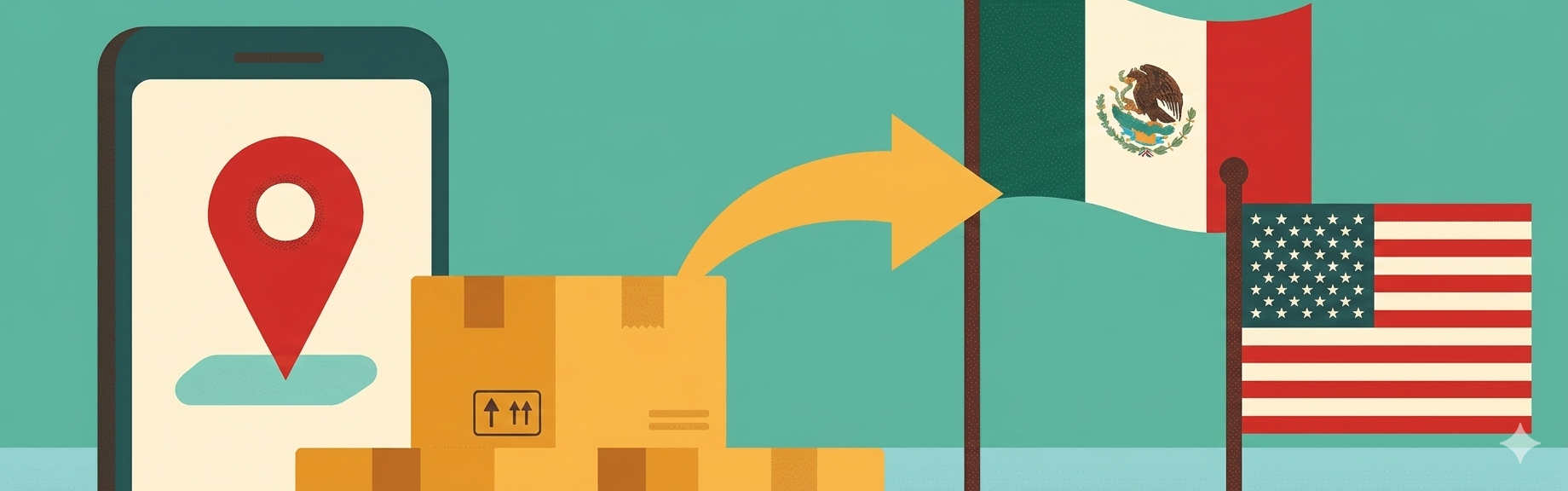
  1. You shop locally (Canada, Mexico, or another supported country).
  2. Your order ships to a local forwarding address.
  3. The forwarder exports the package to the U.S. on your behalf.

This removes retailer and courier limitations while keeping shipments compliant.


How ShipByMail Helps You Ship to the U.S.

ShipByMail is a cross-border package forwarding service designed specifically for situations where direct shipping is unavailable.

Step-by-Step Process with ShipByMail

  1. Create a ShipByMail account
    You receive a personal warehouse address in supported countries such as Canada or Mexico.
  2. Shop from local or restricted retailers
    Use your ShipByMail address at checkout—even if the store does not ship to the U.S.
  3. Package received and logged
    Once the parcel arrives, it is uploaded to your ShipByMail dashboard.
  4. Provide customs details
    You enter item descriptions, values, and upload invoices. ShipByMail prepares the export paperwork.
  5. Choose shipping and pay DDP
    Duties and taxes are calculated upfront (Delivered Duty Paid), avoiding surprise charges at delivery.
  6. Shipment delivered to the U.S.
    Your package clears customs and arrives at your U.S. address.

What You Can Ship to the U.S. Using ShipByMail

ShipByMail supports a wide range of items, subject to U.S. regulations:

  • Apparel and footwear
  • Electronics and accessories
  • Personal care and cosmetics
  • Non-perishable food (with FDA rules applied)
  • Collectibles and retail merchandise

Restricted items (alcohol, tobacco, certain foods, and controlled goods) are screened before shipment.


Common Mistakes to Avoid

  • Under-declaring item value: Leads to delays or penalties.
  • Ignoring product restrictions: FDA and CBP rules still apply.
  • Assuming “gift” avoids duties: Commercial shipments are not duty-free.
  • Waiting too long to submit customs info: This delays processing.

ShipByMail’s dashboard prompts help reduce these errors.


Why ShipByMail Is Different

  • Designed for U.S. imports when others stop shipping
  • DDP checkout (duties and taxes paid upfront)
  • Multiple origin countries for flexible routing
  • Clear compliance workflow for FDA and customs
  • Ideal for shoppers, expats, and cross-border buyers

FAQs

Why won’t some stores ship to the U.S.?

Compliance costs, customs risk, and courier limitations often make U.S. shipping unattractive for retailers.

Is package forwarding legal?

Yes. When customs declarations are accurate and products are permitted, forwarding is fully legal.

Does ShipByMail handle customs paperwork?

Yes. You provide item details, and ShipByMail prepares and attaches the required documentation.

Will I pay duties on delivery?

No. ShipByMail uses Delivered Duty Paid (DDP), collecting duties and taxes during checkout.


Conclusion

When retailers or countries can’t ship to the United States, package forwarding is the most reliable solution. ShipByMail bridges the gap by providing compliant, transparent, and predictable shipping to the U.S.—even when direct delivery is unavailable.

Next step: Create a ShipByMail account and regain access to international shopping without borders.

What Is the FDA’s Role in Food Imports?

The U.S. Food and Drug Administration (FDA) is responsible for protecting public health by regulating food products entering the United States. Any edible item shipped across the border—commercially or personally—may be subject to FDA review.

When food is shipped from Canada to the USA, U.S. Customs and Border Protection (CBP) works with the FDA to determine whether the shipment complies with U.S. food safety laws, labeling rules, and import requirements.

Key point:
Personal use does not exempt food shipments from FDA oversight.

How FDA Regulations Affect Shoppers Buying Food From Canada

1. FDA Prior Notice Is Often Required

Most food shipments entering the U.S. must have FDA Prior Notice submitted before arrival. This applies even to small packages shipped by mail or courier.

If Prior Notice is missing or incorrect:

  • The shipment may be held
  • Delayed for inspection
  • Returned to sender
  • Refused entry

2. Not All Food Products Are Allowed

Some edible items are restricted or prohibited due to safety, contamination risk, or regulatory classification.

Common categories that face issues:

  • Homemade or unlabeled foods
  • Fresh or perishable foods
  • Meat, poultry, and dairy products
  • Items with unapproved additives
  • Foods making health or medical claims

3. Labeling Matters

FDA requires proper labeling, including:

  • Product name
  • Ingredient list
  • Net quantity
  • Manufacturer or distributor information
  • Country of origin

Missing or non-compliant labels can trigger FDA holds.


Common Canadian Food Items Shoppers Ask About

Generally Allowed (with proper declaration)

  • Packaged snacks (chips, candy, cookies)
  • Shelf-stable, commercially packaged foods
  • Factory-sealed chocolates
  • Some vitamins and supplements (non-medicated)

Frequently Restricted or Flagged

  • Fresh cheese and dairy
  • Jerky, meat snacks, or meat-based broths
  • Honey (depending on origin and processing)
  • Herbal products with medicinal claims
  • Homemade foods or bakery items

Important: Approval is case-by-case and not guaranteed.


Step-by-Step: How to Ship Edible Food From Canada to the USA Safely

Step 1: Verify the Food Is Shelf-Stable

Avoid perishable, refrigerated, or fresh items unless you understand FDA risk.

Step 2: Check Labeling

Ensure the product is commercially packaged with clear ingredient labeling.

Step 3: Declare the Item Accurately

When creating the shipment:

  • Use precise food descriptions
  • Declare the correct value
  • Upload the purchase invoice if requested

Step 4: Expect FDA Review

Even compliant shipments may be inspected. This is normal and not an error.

Step 5: Plan for Delays

FDA inspections can add time. Food shipments should never be time-sensitive.


Common Mistakes Shoppers Make

  • Assuming “personal use” means no FDA rules
  • Shipping homemade or unpackaged food
  • Using vague customs descriptions like “snacks”
  • Shipping restricted items without checking regulations
  • Expecting guaranteed delivery for edible products

Can I ship candy from Canada to the USA?

Yes, commercially packaged candy is usually allowed if properly declared and labeled.

Are vitamins or supplements allowed?

Some are allowed, but supplements making medical claims or containing restricted ingredients may be detained.

Does FDA always inspect food shipments?

No, but FDA has authority to inspect any food shipment and frequently does random checks.

What happens if FDA refuses my shipment?

The package may be returned to sender, destroyed, or held pending documentation.

Is shipping food from Canada to the USA guaranteed?

No. FDA approval is never guaranteed, even for compliant shipments.

Understanding iPhone tariffs is essential before importing the iPhone 17 with a SIM card. This guide explains how customs classification works, what duties you may owe, how VAT/GST is applied worldwide, and how ShipByMail streamlines international delivery. You will learn tariff rules, step-by-step import procedures, and best practices to avoid delays.

What Are iPhone Tariffs?

An iPhone—regardless of generation—is classified under HS Code 8517.12, the global category for smartphones. Tariffs depend on:

  • The destination country
  • Applicable trade agreements
  • VAT/GST rules
  • Courier type (postal vs. commercial)

iPhone 17 With SIM Card: What Importers Need to Know

Although Apple focuses on eSIM in many regions, some global versions still include a physical SIM tray. For tariff purposes:

  • SIM vs. eSIM does not change the customs classification.
  • The device remains HS 8517.12.
  • Tariff/VAT rules remain the same for all iPhone 17 variants.

If you import an iPhone 17 with a SIM card:

  • Duty is usually 0%
  • VAT/GST applies depending on the country
  • Courier clearance fees may apply

How to Import an iPhone 17 Step-by-Step

1. Purchase the iPhone 17

Buy from an authorized retailer and retain the receipt for customs.

2. Ship it to your ShipByMail Canadian address

This provides access to Canadian pricing and Apple Canada stock.

3. Confirm item details in your dashboard

ShipByMail will request device type, value, and invoice upload to auto-generate customs forms.

4. Select your shipping method

  • UPS Worldwide Expedited
  • Canada Post International
  • DHL Express

5. Duties, taxes & fees are calculated at checkout

ShipByMail uses DDP (Delivered Duty Paid), ensuring fees are paid upfront.

6. Your package ships internationally

Customs processes the shipment automatically based on provided details.

Best Practices When Importing an iPhone 17

  • Declare the correct value.
  • Keep the retail receipt.
  • Maintain packaging to reduce inspection risk.
  • Choose express couriers for faster clearance.
  • Understand commercial rules for large orders.

Common Mistakes to Avoid

  • Incorrect category declaration.
  • Missing or altered serial numbers.
  • Shipping without retail packaging.
  • Assuming “gift” reduces duties (it rarely does).

Examples of Tariff Outcomes

Example 1: Shipping to the USA

  • HS Code: 8517.12
  • Duty: 0%
  • Taxes: None at federal level
  • Courier fees may apply

Example 2: Shipping to the UK

  • Duty: 0%
  • VAT: 20%

Example 3: Shipping to Australia

  • Duty: 0%
  • GST: 10%

FAQ

Do iPhones have import duties?

Most countries charge 0% duty on smartphones, but VAT/GST usually applies.

Does the SIM card version change tariff classification?

No. SIM and eSIM models are both classified under HS 8517.12.

Is the iPhone 17 available with a physical SIM card?

Availability varies by region. Tariff rules remain the same.

Do couriers charge additional clearance fees?

Yes. UPS, DHL, and others include administrative processing fees.

Does ShipByMail handle customs paperwork?

Yes. The system auto-generates your customs form based on dashboard inputs.

Conclusion

Importing an iPhone 17 with a SIM card is simple and usually low-cost because smartphones are duty-free in most destinations. VAT/GST and courier fees remain the primary charges. With ShipByMail’s DDP system, users get transparent costs with no surprise charges at delivery.

SEO Keywords Used

  • iPhone tariffs (primary)
  • iPhone 17 SIM card
  • import iPhone 17
  • smartphone duties
  • HS 8517.12

Suggested Internal Links

  • Electronics shipping guide
  • Duties & taxes FAQ
  • How DDP shipping works

Suggested Images + Alt Text

  • iPhone 17 with SIM tray — Alt: “iPhone 17 model with physical SIM card tray”
  • Customs HS Code chart — Alt: “HS Code 8517.12 classification for smartphones”
  • ShipByMail dashboard — Alt: “ShipByMail customs declaration screen for iPhone shipments”

Technical Notes

  • Enable How-To Schema + FAQ Schema
  • Apply analytics tracking for “iPhone tariffs” cluster
  • Ensure internal linking to and from electronics import pages
  • Schedule 6–12 month content refresh
International customers often ask how FDA regulations affect shipments forwarded through ShipByMail. This guide explains what the FDA regulates, what items are restricted, and how our service helps ensure accurate customs paperwork and compliance when exporting goods from the USA.

1. What FDA-regulated items can ShipByMail export?

ShipByMail can export many everyday goods, but certain FDA-regulated products—such as food, dietary supplements, cosmetics, and over-the-counter medicines—may have restrictions. Items requiring FDA pre-approval, including prescription drugs and some medical devices, generally cannot be shipped.

2. Why does the FDA restrict some shipments?

The FDA protects consumer health by regulating product safety, labeling, and ingredients. Items flagged as unsafe, mislabeled, or requiring specialized documentation cannot be exported until they meet FDA requirements.

3. What happens if my package contains an FDA-restricted item?

If ShipByMail identifies an FDA-restricted product, customers are notified immediately. You may store the item for free, wait until restrictions are lifted, or request a return label to send it back to the merchant.

4. Does ShipByMail handle FDA paperwork for me?

ShipByMail completes all export customs forms using the item description, value, and invoice you upload in your dashboard. You simply provide accurate details; we prepare the required customs documentation for shipment.

5. Are vitamins and dietary supplements allowed?

Most supplements can be shipped internationally, but regulations vary by destination country. Some supplements containing restricted ingredients may be held for FDA review or blocked from export.

6. Can cosmetics be shipped through ShipByMail?

Yes, most cosmetics can be shipped. However, products containing prohibited ingredients, misbranded labels, or medicated components may face FDA restrictions and delays.

7. Are over-the-counter medicines allowed?

Non-prescription medicines are usually eligible for export, but quantities, packaging, and labeling must meet FDA rules. Prescription medications cannot be shipped under any circumstances.

8. Why do FDA checks cause delays?

FDA holds typically occur when an item appears misclassified, mislabeled, or requires additional documentation. Clearance can take a couple of weeks depending on the item type and workload.

9. How does ShipByMail help avoid FDA delays?

By requiring accurate item descriptions, invoices, and categories before shipment, ShipByMail reduces the risk of customs holds. We submit an FDA Prior Notice, this allows customs to process the parcel and identify the item. Our team also reviews flagged items and notifies customers if further action is needed.

10. Where can I check if a product is FDA-regulated?

Customers can reference the FDA product categories on FDA.gov or contact ShipByMail support for guidance on whether a specific product can be exported.

11. Do FDA restrictions apply even if the item is a gift?

Yes. FDA regulations apply to all exported goods—personal purchases, gifts, and commercial shipments alike. Gift status does not override safety, labeling, or compliance rules.

12. Does ShipByMail charge extra for FDA-flagged shipments?

No. Storage is free while you wait for clearance or decide how to proceed. If the item must be returned, you only pay the return shipping label cost charged by the merchant or carrier.

Shipping from Canada to the U.S. can feel complicated, but it becomes easy once you understand a few basic ideas: de minimis rules, tariffs, and how tools like Zonos calculate fees. This guide breaks everything down in plain language so anyone can follow along.


1. What Is the De Minimis Rule?

The U.S. has a rule called de minimis. It decides whether a package entering the United States must pay duties.

  • In the past, items worth under USD $800 often entered duty-free.
  • Recent policy changes mean many courier shipments (like UPS, FedEx, DHL) no longer get automatic duty-free treatment.
  • Postal shipments (Canada Post → USPS) still follow a different system and may be cheaper for lightweight consumer goods.

Takeaway: The de minimis rule is not guaranteed for courier shipments anymore, but postal shipments still use a simplified system.


2. What Are Tariffs?

A tariff is a tax charged when goods cross a border.

There are two main types of tariffs when sending items from Canada to the U.S.:

A. Courier Tariffs (UPS, FedEx, DHL)

  • The item is assigned an HS code (a global product classification).
  • The U.S. applies its standard tax for that product.
  • Extra fees may apply depending on where the item was made.

B. Postal Tariffs (Canada Post → USPS)

Postal packages use a simpler tax called an IEEPA tariff. Instead of looking up a detailed product code, a percentage is applied to the item’s value.

Example: An item from China might use a 30% IEEPA rate.

Takeaway: Couriers use detailed tariff rules; postal shipments use simpler percentage-based tariffs.


3. What Is Zonos and How Does It Help?

This is the process that we use to calculate tariffs

Zonos is a tool that calculates duties and fees automatically. Many shipping platforms use it.

For Canada Post shipments, the calculation works like this:

  1.  log into your ShipByMail account. Your U.S. shipping information will be managed through your dashboard.
  2. Send your items to your ShipByMail suite in Canada. Once received, the system will prompt you for item details needed for customs.

The result shows exactly what you will pay before shipping.

Takeaway: Zonos makes it easy to know your taxes ahead of time.


4. How to Choose the Best Shipping Method

Choose Postal (Canada Post) if:

  • You want the simplest duty calculation.
  • You are shipping a low-value item.
  • You want to avoid complex courier fees.

Choose a Courier (UPS, FedEx, DHL) if:

  • You need fast delivery.
  • You are shipping business items.
  • You prefer end-to-end tracking.

Tip: Postal is usually cheaper. Couriers are faster but have more fees.


5. Step-by-Step: Shipping from Canada to the U.S. (Using ShipByMail)

  1. Package your item securely.
  2. Choose postal or courier based on your needs.
  3. ShipByMail collects item details (description, value, country of origin) and automatically prepares the customs declaration form. online (description, value, where it was made).
  4. The system (or Zonos) will show what you must pay.
  5. Print the label, attach it, and drop off the package.

Final Summary

  • De minimis used to mean duty-free under $800, but this now depends on how you ship.
  • Tariffs are taxes on imported goods. Couriers use detailed rules; postal uses simpler percentages.
  • Zonos helps you see duties before shipping.
  • Choosing the right method depends on speed, cost, and simplicity.

Important Update: Changes to U.S. Import Duties (Effective August 29, 2025)

Dear Customers,

End of the $800 De Minimis Rule


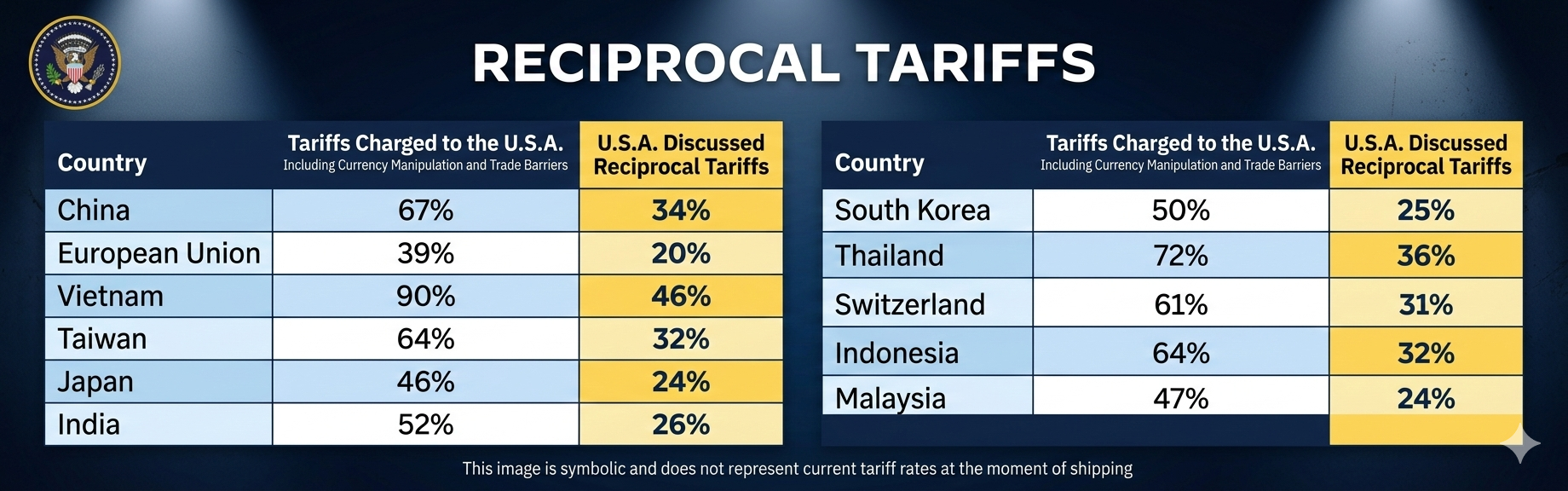
Previously, most shipments valued under US$800 entered the U.S. completely duty- and tax free. That rule has now ended.

  • From August 29, 2025, every parcel — no matter how small the value — will be taxed from the very first dollar.
  • Example: A $50 t-shirt that used to arrive duty-free may now be taxed at standard U.S. tariff rates.

This change is one of the biggest reasons you may see higher charges than before.

U.S. tariffs are not always a flat percentage. See the official CBP tariff summary.

Collecting US Duties and Taxes up front

On Aug 23 2025, The United States Postal Service (USPS) announced that starting August 29, 2025, they will no longer accept shipments under DDU (Delivered Duty Unpaid). This means that all shipments to the U.S. must have duties and taxes paid upfront to the U.S. Government (DDP – Delivered Duty Paid) before leaving our Canadian warehouse.

We want to ensure you fully understand what this means for your orders.

What’s Changing?
  • Before Aug 29: Many parcels shipped DDU, and duties were collected by USPS directly from U.S. customers upon delivery.
  • Now: Duties and taxes must be calculated and paid to the U.S. Government before your parcel leaves our warehouse in Canada.
  • Brokerage Fees: If sent through UPS, shipments may also be subject to brokerage fees of about US$50 per item on top of duties.
How This Affects Your ShipByMail Orders

Regular Forwarding

  • If you order items yourself and ship to your ShipByMail Canadian address, duties and taxes will now be added to your forwarding invoice.
  • You will see the duty/tax calculation before your parcel ships.

Buy-For-Me Service

  • Previously, you only paid for the product cost upfront.
  • From now on, duties and taxes will also need to be paid before we can ship your parcel to you.
  • In some cases, duties and taxes may exceed the original product price.


What We’re Doing to Help

  • Transparent Estimates: We will do our best to give you accurate duty/tax estimates at checkout, so you know the true landed cost before shipping.
  • Clear Communication: You’ll always be notified by email once your parcel arrives and before any duties are charged.
  • Flexible Options: We continue to explore alternative carriers and shipping options to minimize extra brokerage fees.


What You Can Do as a Customer

  1. Check country of origin before ordering. Items from China, aluminum products, and electronics are most affected.
  2. Budget for duties and fees that may be higher than expected.
  3. Use Buy-For-Me wisely — for some products, duties may outweigh the savings.


Questions?

We know this is a big change, and we’re here to help. Please contact our support team if you’d like a duty estimate before buying, or if you’re unsure how this change affects your order.

ShipByMail is committed to making Canadian shopping as easy and transparent as possible — even with these new U.S. rules.

© 2025 ShipByMail. All rights reserved.[/vc_column_text][/vc_column][/vc_row]

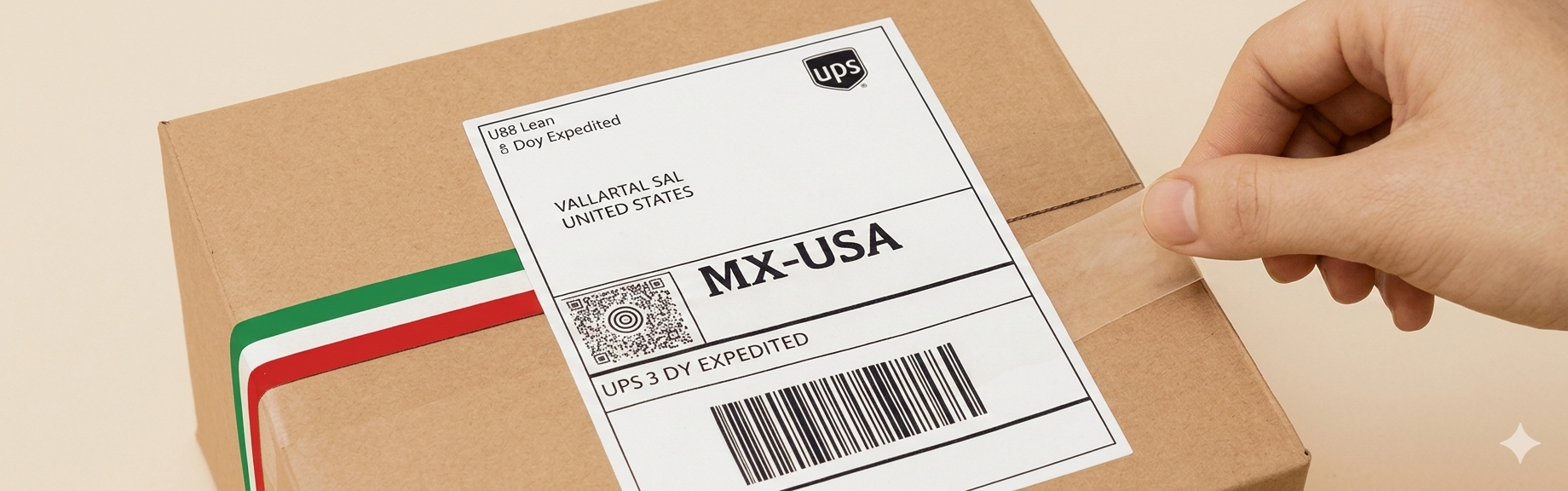
Why a Mexican Parcel Forwarder Is the Best Way to Ship to the USA

Shipping from Mexico to the USA has become increasingly common for U.S. expats, online shoppers, and small business resellers. Whether you want to send authentic Mexican textiles, family gifts, or resale inventory, the process can feel overwhelming without the right partner. This is where a Mexican parcel forwarder like ShipByMail Mexico comes in—offering a safe, simple, and cost-effective way to move your packages across the border.

With professional services like consolidation, repacking, and UPS 5-day expedited delivery, parcel forwarding gives you access to Mexico’s rich product selection without the stress of navigating international shipping on your own.

What Is a Mexican Parcel Forwarder?

A Mexican parcel forwarder is a logistics service that provides you with a local Mexican address. Instead of dealing directly with international couriers, you ship or drop off your items at this address, and the forwarder takes care of sending them safely to the USA.

Unlike traditional courier shipping, a parcel forwarder can:

  • Consolidate multiple parcels into one shipment to save money.
  • Repack items to reduce weight and avoid oversized fees.
  • Give you access to Mexican stores that don’t ship abroad.

Benefits of Using a Parcel Forwarder in Mexico

Choosing a parcel forwarder in Mexico offers several key advantages:

  • Consolidation & Repacking – Combine multiple orders into one package for lower costs.
  • Access to Local Mexican Products – From tequila and handicrafts to limited-edition beauty products.
  • Faster Delivery – With ShipByMail, enjoy UPS 5-day expedited service to the U.S.

Who Uses Mexican Parcel Forwarders?

A wide variety of people benefit from these services, including:

  • U.S. expats in Mexico who need to send items back home.
  • Families shipping gifts or important documents to relatives.
  • Amazon and eBay resellers sourcing inventory from Mexican markets.

How ShipByMail Makes It Easy

At ShipByMail Mexico, we’ve streamlined the process:

  1. Simple Registration – Sign up in minutes and receive your Mexican address.
  2. Transparent Pricing – No hidden fees—what you see is what you pay.
  3. Reliable Support – Our customer service team is always ready to help.

You’ll always know where your package is with our easy-to-use tracking system.

FAQ

Q: Can a parcel forwarder ship any product from Mexico?
A: Most products can be shipped, but some restricted items (flammables, perishables, etc.) cannot. Always check before sending.

Q: What items cannot be shipped?
A: Prohibited items include hazardous materials, cash, and certain electronics with batteries.

Q: How do I track my package?
A: ShipByMail provides a tracking number through UPS so you can monitor your parcel every step of the way.

Conclusion

Using a Mexican parcel forwarder like ShipByMail gives you a safe, reliable, and affordable way to ship from Mexico to the USA. Whether you’re shopping for authentic Mexican products, sending gifts, or running a resale business, ShipByMail Mexico makes cross-border shipping simple.

👉 Ready to start? Sign up today and ship your first package with confidence.


Stiff or achy joints can make everyday tasks feel like a challenge. That’s why many people turn to trusted supplements that support flexibility and mobility. One of the most popular choices worldwide is Kirkland Glucosamine, Chondroitin & MSM—a triple-action formula designed to help keep joints comfortable and strong. Sold in convenient Costco-sized bottles, this product combines three ingredients that work together to promote joint health. And the best part? You can order it directly from store.shipbymail.com and have it shipped right to your doorstep with ease.

Why This Triple Combo?

Glucosamine is a natural compound found in cartilage, the tough tissue that cushions joints. Supplementing can help slow wear and tear and maintain flexibility. Chondroitin works alongside glucosamine to keep cartilage hydrated and elastic, while also supporting shock absorption during movement.

MSM (Methylsulfonylmethane) adds another layer of support by helping reduce stiffness and maintaining connective tissue health. This is why Costco combines all three into one trusted supplement—it’s a comprehensive formula for joint comfort.

Costco-Grade Value: Big Bottles, Trusted Brand

When you buy Kirkland Glucosamine, Chondroitin & MSM, you’re getting Costco-grade value. The bottles typically include 375 caplets, with a daily serving size that ensures long-term supply. Compared to smaller brands that sell in 30- or 60-count bottles, Kirkland’s offering is far more cost-effective for anyone committed to ongoing joint support.

On top of savings, you’re backed by the Kirkland Signature guarantee, known for rigorous quality standards. It’s the smart choice for budget-minded shoppers who don’t want to compromise on quality.

Quick Ordering (No Hassle)

Buying your joint support essentials is simple:

  • Visit the product page.
  • Add Kirkland Glucosamine + Chondroitin + MSM to your cart.
  • Checkout securely—ShipByMail handles international shipping for you.

For comparison shoppers, you can also explore Webber Naturals Triple Action Joint Care, another popular joint supplement carried in our store.

FAQ

How long before I notice benefits?

Most users report improvements in comfort and flexibility after 4–8 weeks of daily use, though results vary.

Can I take this with Omega-3?

Yes, many customers pair joint supplements with Kirkland Omega-3 for added anti-inflammatory support. Consult your healthcare provider before starting new supplements.

Are there common allergens?

Kirkland Glucosamine is often derived from shellfish. If you have a shellfish allergy, check the label or consult your doctor before use.

Conclusion

Joint health is key to staying active and independent. With the triple power of Kirkland Glucosamine, Chondroitin & MSM, you’re choosing a supplement trusted by millions worldwide. Costco’s large bottles ensure long-lasting value, and ordering from store.shipbymail.com makes the process quick and stress-free.

Don’t wait—start supporting your joints today. Order your bottle now and experience the difference Kirkland can make.

Return Customers Made Simple: Just CAD $5 with Our Canada Parcel Forwarding Service

For merchants selling in Canada, handling returns often feels like a headache. That’s why ShipByMail makes it simple: for only CAD $5 per return, you can manage customer returns easily through our Canada parcel forwarding service. Whether you’re an eMerchant selling on Amazon.ca, eBay, or your own store, this affordable flat fee keeps your operations smooth—and your customers happy.

Why Returns Matter for Canadian Merchants

Online shoppers expect easy returns. In fact, return policies can make or break a sale. With ShipByMail’s Canada parcel forwarding service, you don’t have to worry about the high costs of setting up your own returns department. Instead, we take care of it for you at a predictable cost:

  • CAD $5 flat fee per return parcel handled.
  • No hidden charges or surprise fees.
  • Convenient processing from our Canadian warehouse.

This is perfect for U.S. or international merchants selling into Canada who want a trusted local solution for returns.

How the CAD $5 Return Service Works

  1. Customer returns the item to your Canadian ShipByMail address.
  2. We process the parcel and add it to your account dashboard.
  3. You decide: consolidate, reship, or dispose. All managed directly from your account.

It’s fast, reliable, and lets you focus on selling—not chasing down returns.

Benefits of Using ShipByMail for Returns

  • Save money with a flat CAD $5 per return—far cheaper than setting up a Canadian warehouse.
  • Save time by letting us handle customer returns on your behalf.
  • Increase customer trust with hassle-free return options.
  • Scale your business into Canada without the overhead.

Who Can Use This Return Service?

Our CAD $5 return service is perfect for:

  • Amazon.ca and eBay sellers based outside Canada.
  • Shopify merchants serving Canadian customers.
  • U.S. retailers expanding into the Canadian market.

Basically, if you sell to Canadian customers, ShipByMail helps you look like you’re operating locally—without the cost.

FAQ: CAD $5 Canada Return Service

Does the CAD $5 cover shipping?

No, the CAD $5 is our flat handling fee. If you want the parcel reshipped, standard shipping costs apply at checkout.

Can I consolidate return parcels?

Yes! You can consolidate multiple returns into one shipment before sending them back to your warehouse or another address.

Do I need to be in Canada to use this service?

No—you can be based in the U.S. or internationally. ShipByMail acts as your local Canada parcel forwarding service for returns.

What happens if I don’t want to keep a return?

You can request disposal or recycling from your dashboard. It’s quick, easy, and saves unnecessary shipping costs.

Make Returns Easy for Just CAD $5

With ShipByMail’s Canada parcel forwarding service, you can offer your Canadian customers a simple and reliable return process. For only CAD $5, you’ll streamline returns, build trust, and protect your profits.

Register now to start handling returns the easy way.

Learn more about how ShipByMail works or preview your shipping options and costs.